Çeşme shoreline

Local guide

Çeşme

Where healing hot springs, exceptional sand, sunshine and clear seas meet.

About Çeşme

Çeşme is a charming resort where healing hot waters, sand of exceptional quality, sunshine and clear seas come together. It sits 94 km west of İzmir, at the tip of the peninsula that shares its name. Sailors once called it a “small harbour”; over time, the many cold-water fountains (çeşmeler) that flowed here gave the region its name — Çeşme.

Fifteen kilometres to the north, Çeşme was the harbour of the Ionian city of Erythrai. A small settlement is known to have existed at Kalemburnu to the east around 1000 BC. The ancient city of Erythrai uncovered in the village of Ildırı, together with the Ottoman castle, caravanserai, numerous fountains and examples of civil architecture in the historic town fabric, form the region’s archaeological and historical heritage.

Excavations on the hill in the town centre — where remains of an acropolis can still be seen — have yielded votive figurines offered to the temple of Athena Pallas. Among the most important finds is an Archaic-period female statue, now displayed at the İzmir Archaeological Museum. An international song festival is held here every July.

History

Known in antiquity as Cyssus, Çeşme was the Ildırı quay of Erythrai (Eritrea), one of the twelve Ionian cities thought to have stood on Anatolia’s western coast around 1000 BC. By the 6th century BC, Erythrai was a large and important settlement. With a highly sheltered harbour, it traded with Egypt, Cyprus and western lands.

After Lydian and Persian rule, it came under Rome and Byzantium. Çeşme then passed through Seljuk, Ottoman, Aydınoğulları and again Ottoman periods in turn.

Getting here

Reach Çeşme by road, air or sea.

By road

Çeşme is linked to İzmir by a 77 km coastal asphalt road and an 80 km motorway; İzmir is the transport hub. Visitors arriving by land, air or sea first reach İzmir; buses to Çeşme and Ildırı comfortably meet demand even on the busiest days of the tourist season. The district centre is the final stop for buses and minibuses. Minibuses and municipal buses also run to Çiftlik, Dalyan, Alaçatı, Reisdere, Ovacık and other beaches.

Along the coastal road from İzmir to Çeşme you travel beside the sea as far as Urla, arriving after 77 km — or take the modern 80 km motorway.

By air

Çeşme has no airport. Fly into İzmir Adnan Menderes Airport, take a THY shuttle to Üçkuyular bus station, then board a Çeşme bus.

Adnan Menderes Airport is 91 km from Çeşme — about a 45-minute journey. Distances from major centres: Istanbul–Çeşme 640 km, Ankara–Çeşme 656 km.

By sea

Ferry services run between Çeşme and Chios. Visitors entering by sea from Greece travel on Turkish and Greek ferries between Chios and Çeşme. The crossing takes about one hour.

Passenger services also run from Çeşme to Bari and Brindisi in Italy. Ferries on the İzmir–Çeşme–Kuşadası–Greece and Italy routes call at the port as well.

Sights

Historic character and a lively town centre.

Çeşme Castle

Built in 1508 by Ottoman Sultan Bayezid II, the castle embodies Ottoman architecture. It serves as a concert venue for the International Çeşme Music Contest and hosts the international Çeşme Festival each year from 2–7 July. In front of the castle stands the lion statue of Grand Admiral Cezayirli Hasan Pasha.

Caravanserai

Commissioned in 1528 by Suleiman the Magnificent, the two-storey caravanserai now operates as a hotel. Souvenirs, leather goods and fine carpets are available nearby. At night, restaurants, bars and clubs create a lively, cheerful atmosphere.

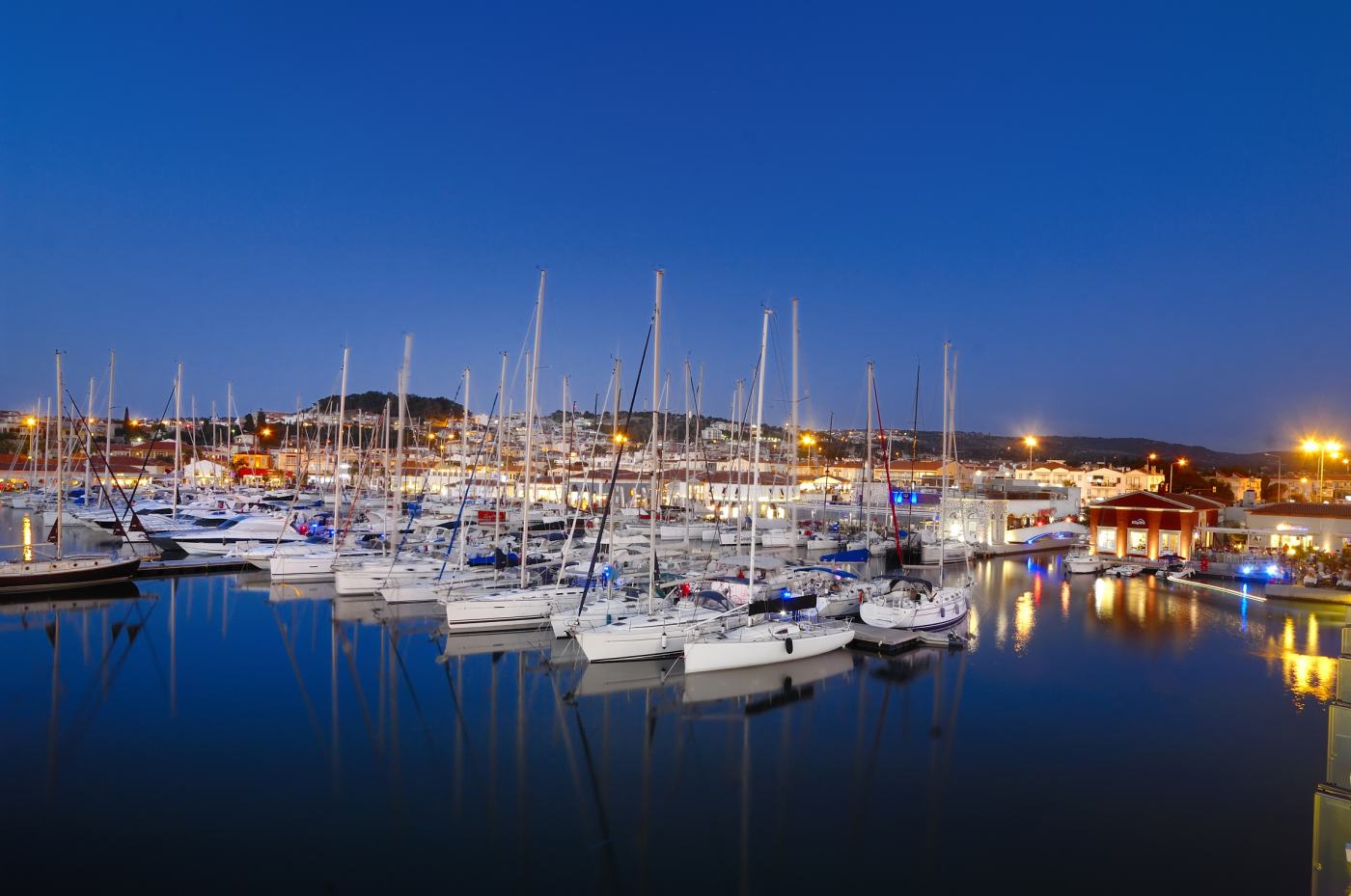
Çeşme Marina evening view
Çeşme Marina — just beside the historic centre

Spas

Healing waters and thermal facilities.

Çeşme Ilıca springs

On the İzmir–Çeşme road, 5 km from Çeşme and right on the shore, the Ilıca springs are among the world’s most unusual thermal beaches — beach and spa in one. Water temperatures reach around 58°C. They are beneficial for chronic rheumatism, gout, metabolic disorders such as obesity, rickets, gynaecological and skin conditions, and painful liver and urinary-tract ailments. Modern lodging, thermal pools and baths are nearby. Reachable by Çeşme buses from Üçkuyular.

Şifne (Reisdere) spa and mud

Five kilometres northeast of the Ilıca springs, on a small peninsula in Şifne Bay, with lodging and dining nearby. Beneficial for rheumatism, rickets, gynaecological conditions, urinary-tract, stomach and intestinal issues, and skin conditions such as eczema and boils.

Yacht marinas

The south of the Çeşme Peninsula is one of the country’s main yacht routes.

Çeşme Yacht Marina

The Çeşme–Kuşadası route has one of Turkey’s most developed yacht infrastructures. Çeşme Harbour has both commercial and yacht facilities; its pier can berth two small ships. The marina is designed for about 150 boats — a fishing shelter in winter, a yacht haven in summer.

Alaçatı Pier

South of Alaçatı, successive coves make a paradise for yachts. The pier can shelter around 80 boats, with ample facilities for berthing.

Çeşme–Altınyunus Yacht Marina

Capacity for 70 large and 40 small boats, with full yacht maintenance. Overnight and longer stays can access water, electricity, telephone, repair and wintering services.

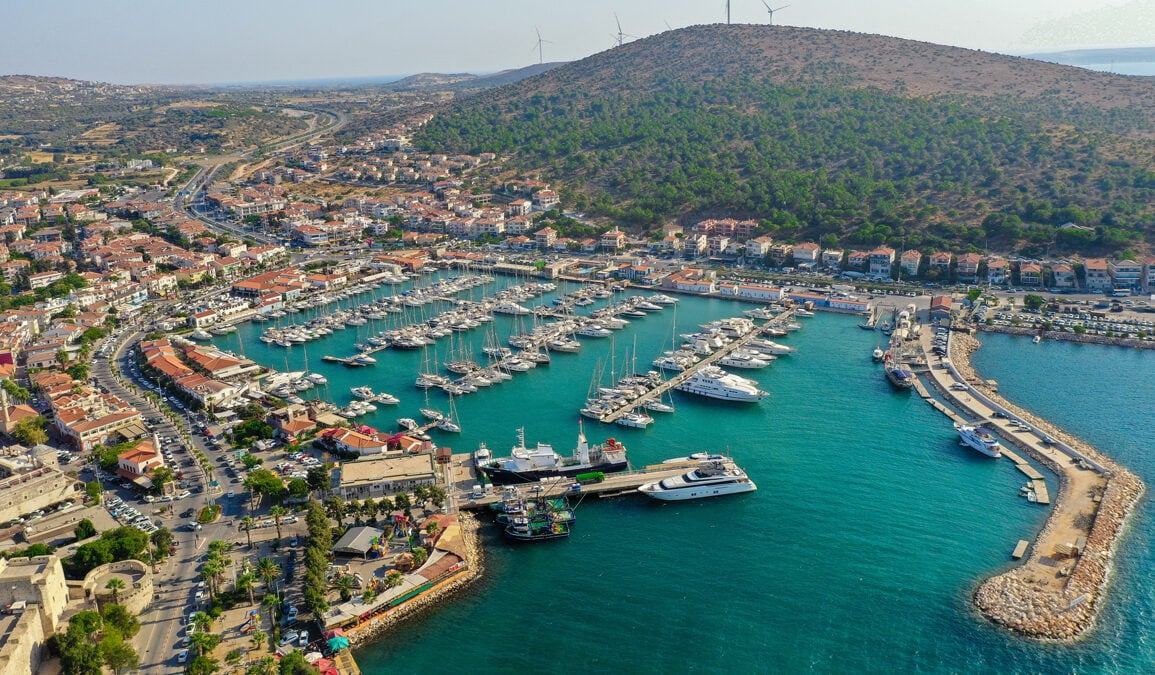
Çeşme Marina aerial view
Yacht marina — steps from our home

Sports & activities

Camping, nature and windsurfing.

Camping & caravans

Büyük Liman and Paşa Limanı coves are rich in campsites and summer homes. Natural beaches and campsites around Ildırı, home of ancient Erythrai, are also well suited.

Hunting

Çeşme also appeals to land hunters. The most exciting hunt is wild boar, permitted only with the required licences. The area is rich in partridge and rabbit; the peak season is September–December, when hunting is allowed. Hunters are welcome in winter too.

Windsurfing

Alaçatı is among Europe’s most interesting and varied surf spots. The unspoilt surf centre sits in a V-shaped cove of clear water. With varied wind conditions and an ideal surf area, it ranks among Europe’s most important centres.

The sea is quite shallow; wind usually blows from the north. From June to mid-September it averages force 4–6. From April to October, about 50% southerly wind builds fine waves. Alaçatı’s greatest asset is a left-hand breeze (meltem) that keeps waves orderly even in strong wind. Current and wind run the same way, making it one of the safest meltem zones. Meltem, Lodos, Poyraz and Gerence winds visit the area year-round.

Mastic tree

Mastic trees, first found in Çeşme some 6,000 years ago, are well worth seeing. From them come flavourful mastic jam and distinctive mastic rakı. Mastic is used in cooking as well as in medicine and paint production.

Ancient Greek physicians prepared remedies from mastic against rabies, snakebite, stomach complaints, and intestinal and lung diseases. From the 10th century onward, its fame spread beyond Chios and became known worldwide.

Beaches

Along Çeşme’s 29 km shoreline, every beach offers its own pleasure. Crystal-clear sea, soft sand and sunshine that lets you tan without overheating welcome you. Cool off in calm waters, explore islands by yacht, dive, or dance with the wind on a surfboard — just imagine it. Here are some of the most important beaches:

Ilıca

Nearly 2 km of broad white-sand beaches, quality lodging and thermal facilities make Ilıca Çeşme’s largest and most popular resort. It is one of Turkey’s Blue Flag beaches and has ranked first among Turkey’s finest free-entry beaches. Hot thermal springs rise through the sea, turning the beach into a vast thermal pool. A roughly 100-metre strip from shore stays no deeper than standing height, ideal for children and families.

Boyalık Beach

A bay about 5 km long with beautiful beaches. Sharing Ilıca’s character, it is one of Çeşme’s fastest-growing tourism areas. Altınyunus Holiday Village and Marina sit at Kalem Burnu. The calmest beach, sheltered from northerlies, is Sakin Deniz (Aya Yorgi) — a restful corner with restaurants and facilities.

Şifne · Büyük Liman · Paşa Limanı

Northeast from Ilıca toward Şifne, the coast enchants with fine beaches and spas. Büyük Liman and Paşa Limanı concentrate tourist facilities, campsites and summer homes. Şifne is famed for its spas; it is about 5 km from Ilıca by dolmuş.

Ildırı Cove

Home of ancient Erythrai, Ildırı and its surroundings offer natural beaches and campsites popular with campers. It is 22 km from central Çeşme and 15 km from Ilıca. Walk to Zeki Müren Island and watch the sunset over a spectacular view.

Dalyan and Sakızlı Cove

On the northern shores of the peninsula, these centres gather Aegean life and natural beauty: a typical fishing quarter, houses, harbour, beaches and people. Four kilometres from central Çeşme, reachable by minibus. Dalyan has many hotels and guesthouses.

Kocakarı Beach

At the entrance to Dalyan neighbourhood, about 5 km from the centre. Ideal for a peaceful nature break or short escape. We also recommend one of Dalyan’s famous fish restaurants. Easy to reach by public transport or car.

Tekke Beach

One of the smallest beaches in central Çeşme, nestled in a tiny cove. Named after Ottoman tekke ruins above it. Calm, wave-free, clean and shallow — ideal for families with children. The tip of the cove stretches into the sea like a quay.

Ali Bostan Beach

In the village of Dalyan. Favoured by those seeking quiet; its cool sea and breeze offer relief from oppressive heat. Five kilometres from the centre; reachable by public transport or car.

Cleopatra (Güvercinlik) Beach

A hidden cove between Alaçatı and Ovacık, invisible from the main road. Ringed by high cliffs and named for its fine golden sand. A wonderful retreat from city life. About 13.6 km from Alaçatı centre; car access recommended.

Delikli Koy Beach

A discovery for those seeking quiet, calm and peace. Named for natural rock hollows in the sea — swimming through them is popular. Campsites surround the area. About 11.8 km from Alaçatı centre.

Çark Beach

On the south of the peninsula, it offers unforgettable year-round experiences especially for surfers. Reachable by minibus from Alaçatı. Preferred for windsurfing, so swimmers use the adjacent public beach. Year-round wind supports many surf schools.

Altınkum Beach

Southwest of Çeşme, named for its fine golden sand. Ten kilometres from the centre; reachable by minibus from the Marina or by car. Campsites available. Known for ice-cold water even in summer, on a partly sheltered cove facing open Aegean waters.

Pırlanta Beach

About 10 km from the centre. Named for sand that sparkles like diamonds; the shore stretches roughly 450–500 metres. Steady wind and waves make it a hub for kitesurf and windsurf, drawing athletes from Turkey and abroad.

Çatal Azmak Beach

One of Çeşme’s must-see beaches, noted for clear water and sand. Reachable by minibus from the Marina or by car; about 5 km from the centre.

Eşek Adası (Donkey Island)

Formerly Goni, the island is about an hour by yacht from Çeşme. Clean coves and friendly donkeys make it ideal for day trips. Sheltered northern coves suit water sports above and below the surface. Maquis cover, a wind-powered freshwater well, and spring scents of wild narcissus, broom and thyme are well known. Nearby Kara Ada’s Blue Cove, like a natural aquarium, is worth seeing.


E-My Marina Çeşme

Discover Çeşme from our marina-view home

Message us now for stays and availability.